Reflection of the Month - Dinesh Chauhan JP
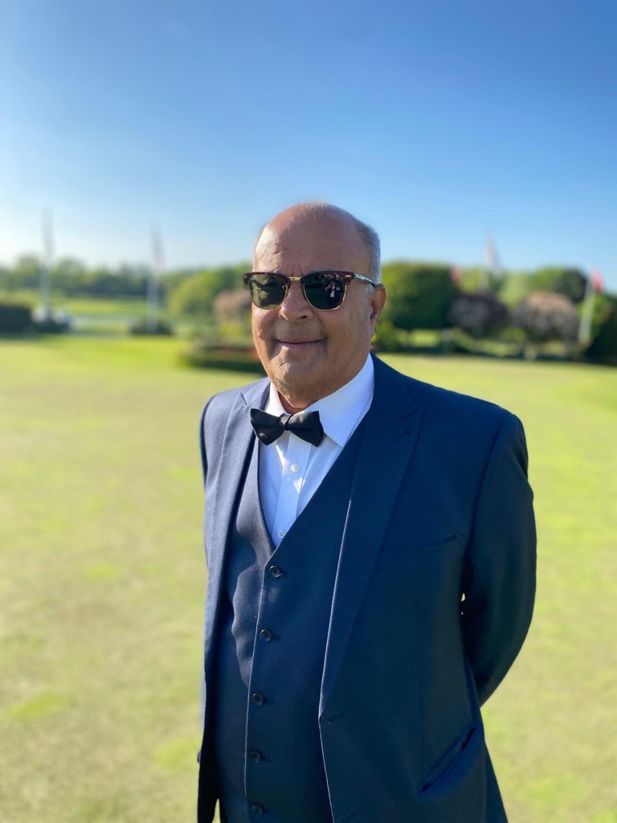 Dinesh Chauhan JP, Hindu Chaplain
Diwali: From Darkness to Light
According to Vedic tradition, the prayer Tamaso ma jyotir gamaya — ‘Lead me from darkness to light’ - expresses a message at the heart of Deepavali, also known as Diwali. The festival celebrates the triumph of light over darkness and good over evil, offering a message of hope and goodwill that can speak to people of all faiths and none.
In one Hindu tradition, Diwali marks the day that Lord Rama returned to Ayodhya, the capital of his kingdom, after an exile of 14 years imposed at the request of his stepmother, Kaikeyi. He returned in triumph after defeating the demon king Ravana. The people of Ayodhya, overwhelmed with joy, welcomed Rama through jubilation and the illumination of their city. Today, lights and fireworks are among the ways in which this victory of good over evil is celebrated.
Another great example of the victory of righteousness is that of Shri Krishna. Narakasura was a demon king associated with the region of present-day Assam. His growing power made him arrogant and he became a menace. The gods appealed to Shri Krishna, who was at Dwaraka (in present-day Gujarat), to come to their rescue. Shri Krishna responded, travelling east to defeat Narakasura’s army and finally the demon king himself.
Diwali is traditionally celebrated over five days, at the juncture of the Hindu months of Ashwin and Kartik, although customs vary between regions and communities.
The first day is Dhanteras, an occasion associated with wealth and prosperity and the worship of Mahalakshmi, the goddess of wealth and good fortune.
The second day is known as Chhoti Diwali, Kali Chaudas or Naraka Chaturdashi, and recalls the great victory of Shri Krishna over Narakasura.
The third day is Deepavali itself, when homes are illuminated and prayers are offered to Lakshmi. In some communities, Chopda Puja also marks the end of the financial year.
The fourth day is called Padwa or Varsh Pratipada, marking the beginning of a new year in some regional traditions.
The final day is known as Bhai Dooj or Bhai Beej, a day which symbolises the bond of love between brothers and sisters.
Diwali also holds particular significance for other religious communities. Jains celebrate the attainment of Nirvana, or spiritual liberation, by Mahavira. For Sikhs, the festival period is associated with Bandi Chhor Divas, commemorating the release of Guru Hargobind from imprisonment under the Mughal emperor Jahangir and his return to Amritsar.
Deepavali, however, must be understood in its wider context. The Festival of Lights is not simply about lighting lamps and candles. It reminds us that our hearts, too, should be enlightened with goodwill, compassion and a commitment to peaceful coexistence.
For our university community, bringing together people of different faiths, cultures and beliefs, perhaps this is the most important invitation of Diwali: not simply to admire the light, but to consider how we might bring more of it into one another’s lives.
This reflection was written by Dinesh Chauhan JP, our Hindu Chaplain. You can find out more about Dinesh by clicking here to visit his profile.
The views expressed in this reflection are those of the Chaplain and do not necessarily represent the position of the University of Birmingham's Multifaith Chaplaincy.