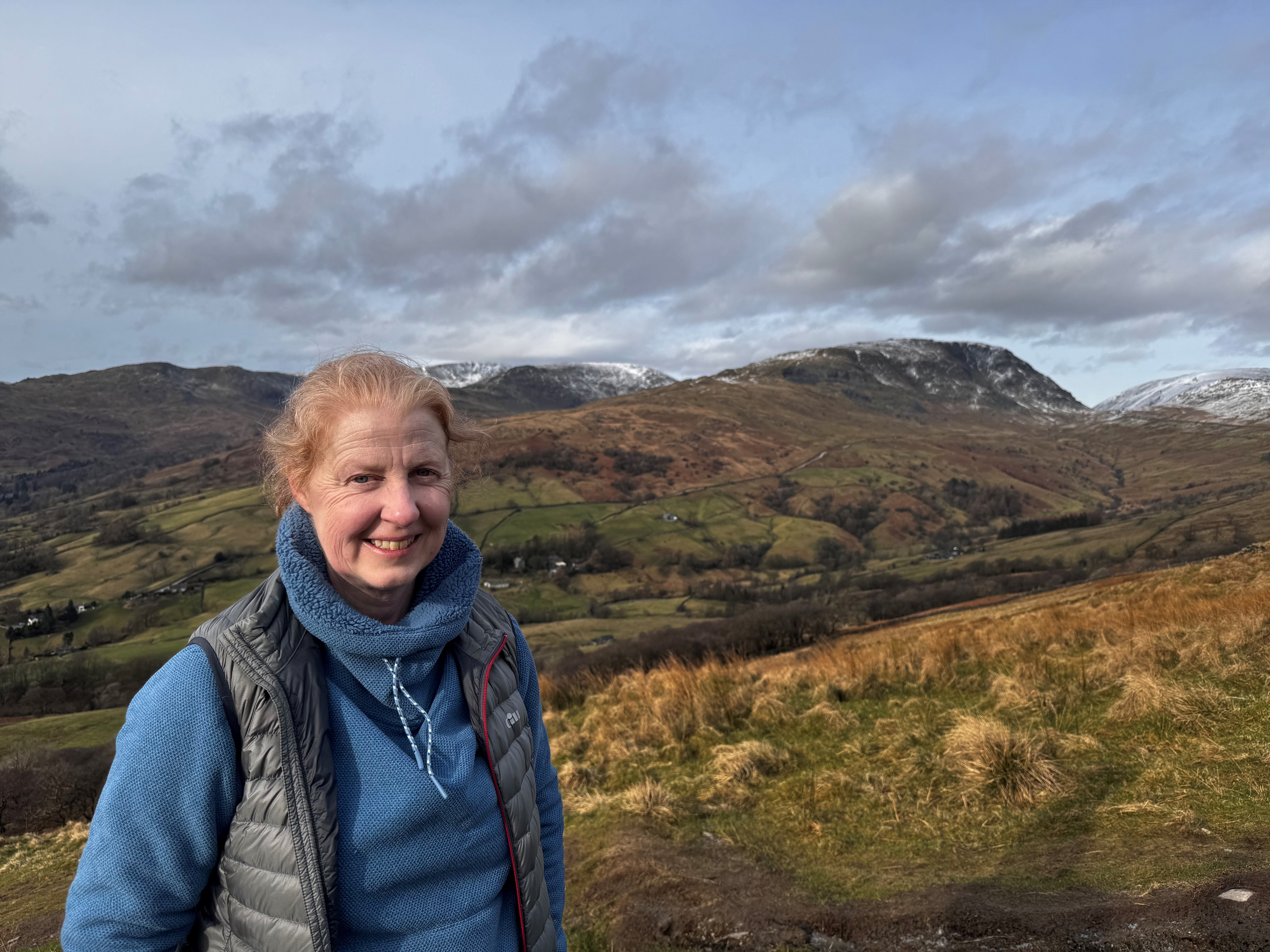
I came late to post-graduate research. I completed my BA in Experimental Psychology in 1993 and immediately followed it with an MPhil in Criminology. I enjoyed academia and research and the thought of continuing to a PhD was tempting, but I wanted some real-world experience and didn’t feel qualified to theorise about people who commit offences until I had spent time in the field. After a brief spell as a research assistant, I joined the Prison Service as a psychologist in 1996. I spent 12 years in the Prison Service, eventually becoming Head of Psychology and Programmes at HMP Woodhill. I then took maternity leave and a career break before joining the Parole Board of England and Wales as a psychologist specialist member. This allowed me to develop my career while giving me flexibility to look after a small child. Parole Board appointments are for fixed terms, and when I came to the end of my tenure in 2020 I was looking for a new challenge. Perhaps now was the time to take the plunge and complete a PhD? The topic of empathy and its role in inhibiting violence has always interested me. Early in my career, I had designed and delivered victim empathy courses for men who had committed serious violence. These had been well-received and appeared to have an impact on the people who took part. But in recent years, victim empathy modules had been taken out of offending behaviour programmes. Large scale meta-analyses found little relationship between empathy measures and risk, and there were examples of victim empathy work being delivered punitively. I was interested in exploring these tensions and discovering more about the potential value of empathy development in offender rehabilitation. So I started my part-time PhD in September 2020 in the middle of the pandemic. And, keen to remain grounded in the real world of forensic psychology, I started a part-time job in a secure psychiatric hospital a few months later.
I had seen the three-minute thesis competition advertised previously and thought it sounded intriguing. I enjoy the challenge of presenting ideas clearly and concisely, and I am not scared of public speaking. At earlier stages of my PhD I did not feel that I yet had a full story to tell about my research. But now, in year six, I could no longer put it off!
I found the whole process beneficial. I needed to draw on my strengths and work hard to ensure that my writing and performance were the best that they could be on the day. I needed to "over-learn" the script so that I could concentrate on delivering it well without struggling to remember it, and at 54 I don't remember things quite as easily as I did when I was a teenager! Feedback from the presentation skills workshop, from the mock competition (which I was unable to attend, but I was kindly offered feedback on a video instead) and from the semi-finals was really constructive and helped me to improve. My aim was to progress to the finals, which I did with some lovely positive feedback from the judges. And then I was awarded joint judges’ runner up on the day!
I enjoyed attending the workshop on campus, and the semi-finals and finals. As a part-time, mature PhD student, I do most of my research at a distance and rarely visit Birmingham. It was great to meet the other competitors and to learn about their projects. By the time of the finals, we felt like a cohesive group, even though we had only met once or twice before. I was probably the oldest finalist but I felt that I had met some new friends, especially when some of them later requested to connect with me on LinkedIn. The presentations covered a very wide range of topics but they were all interesting and engaging. I would definitely recommend the competition to others!